
Did hail leave dents across your siding? Are shingles missing after a night of high winds? Did rain start dripping through the ceiling while you were trying to keep your family safe?
When a storm damages your home, every hour can feel uncertain. You may be worried about water intrusion, insurance paperwork, rising repair costs, and finding a contractor you can actually trust.
We understand. Many homeowners in St. Francis, Isanti, Anoka County, and the North Metro have dealt with rushed estimates, poor communication, or crews that disappeared after taking a deposit.
The good news is that you do not have to solve everything at once. Acting carefully during the first week can protect your home, strengthen your insurance documentation, and help you avoid unreliable storm chasers.
Why the First Week After a Storm Matters
Minnesota’s storm season does not end when summer does. Hail is most common during the warmer months, but damaging hail can still occur in September and October. Fall also brings strong low-pressure systems, heavy rain, and high winds that can affect roofs, siding, gutters, trees, windows, and exterior structures.
The first week matters because small openings can quickly become larger problems.
A lifted shingle can allow water beneath the roofing system. A cracked piece of siding can expose the wall assembly to wind-driven rain. A damaged flashing area can cause a ceiling stain days after the original storm.
Fast action does not mean rushed decisions. It means protecting your home, documenting what happened, and creating a clear plan.
Your First-Week Storm Damage Checklist
Within the first few hours: Focus on safety
Do not climb onto your roof or walk near downed power lines, unstable trees, broken glass, or visibly damaged structures.
From the ground, look for:
- Missing, lifted, or cracked shingles
- Dented gutters, downspouts, flashing, and vents
- Damaged siding, soffits, fascia, and trim
- Broken windows, screens, or exterior doors
- Fallen branches or tree impact
- Water stains, dripping ceilings, or damp walls
- Wet insulation, flooring, or personal belongings
If water is entering your home, move furniture and belongings away from the affected area if it is safe to do so. Place containers under active drips. If water is near electrical outlets or fixtures, shut off power to the affected area only if you can do so safely.
Your safety comes first. Always.
Day one: Document everything
Before cleaning up or making permanent repairs, photograph and video the damage.
Take both wide shots and close-ups of:
- The entire roofline and each visible roof slope
- Missing or damaged shingles
- Dents in metal roofing, vents, gutters, and downspouts
- Hail marks on siding, window wraps, garage doors, and outdoor equipment
- Broken glass and damaged screens
- Interior stains, bubbling paint, wet drywall, and damaged flooring
- Damaged furniture, electronics, appliances, and other belongings
- Fallen trees, fences, decks, and outbuildings
Record the date and approximate time of the storm. Save weather alerts, photographs, videos, and receipts for temporary repairs.
The Minnesota Department of Commerce recommends contacting your insurance company promptly and keeping thorough documentation. You should also keep a simple log of every call, email, inspection, and conversation.
Day one or two: Notify your insurance company
Call your homeowners insurance carrier as soon as you can. Ask:
- What is my claim number?
- What is my wind or hail deductible?
- What temporary repairs am I expected to make?
- When will an adjuster inspect the property?
- What documentation do you need?
- Are there specific requirements for emergency tarping or water mitigation?
Coverage depends on your individual policy, endorsements, exclusions, deductibles, and the type of damage. Do not assume every dent or cosmetic issue is covered, and do not assume a claim is automatically denied because the damage is not immediately visible.
If you have questions about your policy or believe a claim is being mishandled, the Minnesota Department of Commerce Consumer Services Center may be able to help.
Emergency Tarping: Stop Further Damage Without Creating New Problems
If your roof is open or actively leaking, emergency tarping may be necessary to reduce additional water damage.
A proper temporary repair should:
- Be performed by trained professionals using safe access equipment.
- Cover the damaged area securely.
- Direct water away from openings.
- Avoid causing additional damage to shingles, siding, or flashing.
- Be photographed and documented for your insurance claim.
- Be followed by a permanent inspection and repair plan.
Do not attempt to climb onto a wet or damaged roof. Minnesota roofs can be steep, slippery, and unstable after high winds.
Emergency tarping is not a permanent roofing solution. It buys you time while the damage is evaluated and a lasting repair is scheduled.
Roof, Siding, and Water Damage Can Be Connected
Storm damage is not always limited to the most obvious area.
Roof damage
Hail may bruise shingles without immediately creating a visible hole. High winds can lift edges, break seals, or damage flashing around chimneys, vents, skylights, and roof-to-wall transitions.
A reliable roofing inspection should look beyond the first missing shingle. It should evaluate the roof system, ventilation, flashing, underlayment, and signs of water entry.

Siding and exterior damage
Hail can dent or crack siding, damage trim, break window wraps, and leave impact marks on garage doors and exterior equipment. Wind can loosen panels and expose the wall behind them.
Even when siding damage appears cosmetic, it is worth having the area evaluated. Cracks, openings, and loose panels can allow wind-driven rain into the wall system.
Water intrusion
Water may travel inside walls or ceilings before you see a stain. Watch for:
- Musty odors
- Soft drywall
- Peeling paint
- New ceiling discoloration
- Damp insulation
- Warped flooring
- Swelling around windows and doors
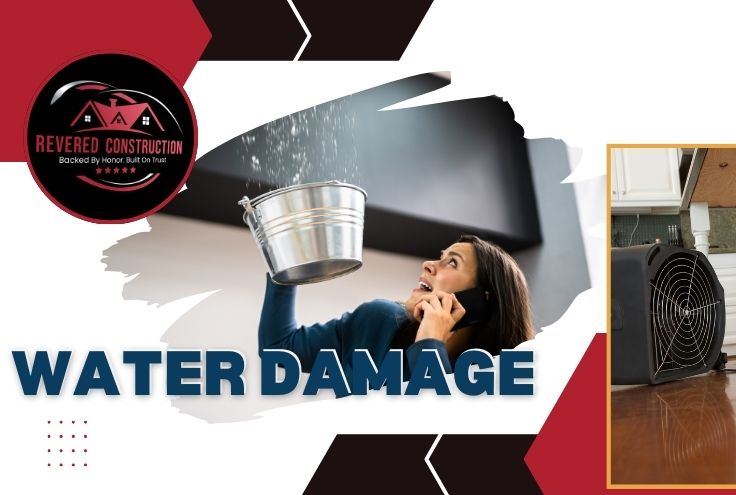
If your home has active water damage, Revered Construction’s water damage restoration service can help address moisture and prevent a small leak from becoming a larger health, comfort, or structural concern.
How to Spot Storm Chasers and Out-of-State Crews
After a major storm, unfamiliar contractors may arrive quickly. Some are legitimate. Others rely on urgency and pressure.
Be cautious if a contractor:
- Knocks on your door and insists you sign immediately
- Says your roof must be replaced without a thorough inspection
- Promises to “cover” or waive your insurance deductible
- Encourages you to exaggerate damage
- Requests full payment before work begins
- Cannot provide a local business address
- Has out-of-state plates and no local references
- Refuses to provide proof of insurance
- Wants you to sign documents you do not understand
- Offers a vague estimate without materials, scope, or payment terms
Never misrepresent damage to your insurance company. Never sign away control of your claim without understanding the document.
Whether you are searching for a roofing contractor St Francis MN, a licensed contractor St Francis MN, or an Anoka County general contractor, look for a company that communicates clearly, provides written details, and remains available after the storm rush has ended.
A trustworthy contractor should be comfortable with questions.
A Clear, Stress-Free Repair Process
You should not have to manage every contractor, adjuster, supplier, and repair detail alone. A reliable storm restoration process should look like this:
1. Schedule a detailed inspection
Your home is evaluated for roof, siding, gutter, window, interior, and structural damage. You receive clear findings instead of a rushed sales pitch.
2. Build a written repair plan
The scope of work, recommended materials, expected timeline, payment schedule, and insurance-related documentation are explained before work begins. Any changes should be documented in writing.
3. Restore your home and keep you informed
The contractor coordinates the work, protects your property, communicates progress, and completes a final walkthrough. You should know what has been done and what support is available afterward.

This same approach matters whether you need emergency storm repairs now or later decide to work with a home improvement contractor St Francis MN homeowners can rely on for broader improvements.
Why Local Knowledge and Follow-Through Matter
A local team understands the weather challenges homes face across St. Francis, Isanti, Anoka County, and the North Metro. More importantly, a local contractor can remain available after the project is complete.
That matters when you have a question about a warranty, notice a problem after the next rainfall, or need help with related repairs.
A dependable North Metro general contractor should provide:
- Transparent pricing
- Quality materials
- Detailed project updates
- Flexible scheduling
- Professional craftsmanship
- Insurance claim support without making promises about coverage
- Written warranties where applicable
- Post-project communication
If storm damage leads to additional improvements, a qualified residential remodeling contractor MN homeowners trust can help you plan those projects without losing sight of safety, comfort, and long-term value.
Need Help After Hail or High Winds?
You do not have to face the first week alone.
Revered Construction provides storm damage inspections, emergency response, roofing and exterior repairs, water damage support, insurance coordination, and detailed project communication for homeowners in St. Francis, Isanti, Anoka County, and the North Metro.
Call 763-498-HOME (763-498-4663) to discuss your storm damage and schedule an inspection.
We will help you understand what happened, what needs attention first, and what the next step should be. No pressure. No confusing surprises. Just a clear path back to a safe, dry, comfortable home.
For more information, visit our storm damage repair services, roofing services, or contact Revered Construction.
Your home should support your life, not add to your stress. We would be honored to help you feel comfortable and confident at home again.