
Is the first hard freeze on your mind, and are you wondering whether a hidden pipe could turn a cold night into a stressful repair? If you’ve dealt with a contractor who didn’t show up, explain the work, or stick to the price, even basic winter prep can feel harder than it should.
We understand. Minnesota winters can be tough on a home, and plumbing is especially vulnerable when pipes are exposed to cold air. A little attention in late October can help you catch weak spots before freezing weather arrives.
Here’s where to look, what you can do safely, and what to expect from a professional assessment in St. Francis, Anoka County, Isanti, and across the North Metro.
Where Minnesota home pipes are most vulnerable
Pipes are at greater risk when cold air can reach them or when they run through spaces that don’t stay warm. Check these areas before temperatures drop:
- Unheated garages: Look for water lines near exterior walls and garage doors.
- Crawl spaces and basements: Pay attention to exposed plumbing, drafts, and pipes near foundation walls.
- Exterior walls: Pipes inside poorly insulated walls can be hard to see and harder to warm.
- Outdoor hose bibs: Water left in a hose or faucet connection can freeze and damage the plumbing.
- Sump pump discharge lines: An outdoor discharge pipe can freeze or become blocked by snow and ice, affecting how water drains away from your home.
The City of Eagan’s winterizing guidance recommends disconnecting garden hoses and protecting pipes in unheated areas. For sump discharge, local requirements and recommended setups may differ; the City of Plymouth’s sump pump guidance is a useful example of the issues to review. Check your own city’s rules before changing where a sump pump drains.

Three winter pipe-prep steps you can handle yourself
You don’t need to take apart plumbing to make a useful start. Focus on simple prevention and knowing what to do if you spot trouble.
1. Disconnect garden hoses
Remove hoses from outdoor faucets, drain them, and store them indoors. If your hose bib has an interior shutoff valve, follow the fixture or manufacturer’s instructions for closing it and draining the exterior line. Some homes have different setups, so don’t force a valve or assume every faucet works the same way.
If you’re unsure how your outdoor faucet is configured, ask a qualified plumbing professional to show you before freezing weather.
2. Insulate accessible exposed pipes
Pipe insulation can help protect exposed plumbing in cold or unheated spaces. Before adding it, check for existing leaks, corrosion, damaged insulation, or signs of past freezing. Insulation won’t fix a leak or correct a cold-air problem, and it may not address pipes hidden inside an exterior wall.
Close drafts where you can do so safely. Keep your home adequately heated, including when you’re away. Opening cabinet doors under a sink on an exterior wall can also help warm household air reach the pipes during very cold weather.
3. Find your main water shutoff
Locate the main shutoff before you need it. Make sure you can reach it quickly, and show other household members where it is. If a pipe leaks or bursts, shutting off the water can help limit additional water release while you arrange help.
If a pipe appears frozen, avoid open flames and don’t use improvised heating methods. If you can’t safely identify or access the frozen section, or you see a leak, contact a qualified plumbing professional.
What a professional winter plumbing assessment should include
A helpful assessment should be specific to your home, not a quick glance followed by a vague recommendation. Ask the professional to review accessible pipes in the garage, basement, crawl space, and near exterior walls. They should also look for drafts, missing or damaged insulation, signs of previous leaks, and possible cold-air entry points.
Ask about the outdoor faucets and sump discharge setup, too. A professional should explain what they can assess, what may require a licensed plumber, and whether local rules affect any proposed changes. You deserve clear answers, not pressure to approve work you don’t understand.
A careful contractor should walk you through the findings, share photos or a written summary where useful, and explain which items are urgent versus preventive. You should know what’s being recommended and why before work begins.

Why a winter leak can become a bigger home repair
A frozen pipe may crack, and the leak might not become obvious until the ice begins to thaw. Water can then affect flooring, drywall, cabinets, insulation, and belongings. If the leak is hidden, you may discover it only after stains, dampness, or other damage appears.
That doesn’t mean every frozen pipe creates extensive damage, or that every loss is covered by insurance. Coverage depends on your policy and circumstances. If you find water, stop the flow if you can do so safely, document what you see, and contact your insurer to understand your next steps. Prompt attention can help you limit further damage and make it easier to understand the scope of repairs.
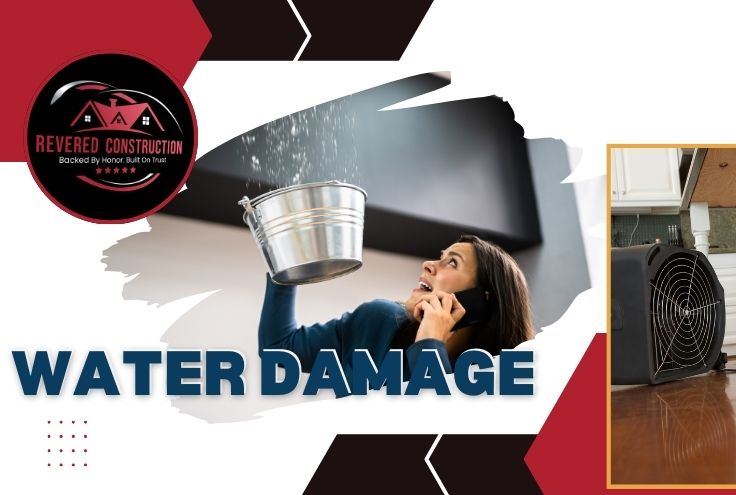
For restoration after a leak, Revered Construction’s water damage services include damage assessment and repair support. If wind, ice, or another winter storm also affects your home, you can learn about storm damage repair in St. Francis, MN.
Choosing a local contractor you can feel comfortable with
If you’ve been burned before, it’s reasonable to ask questions before letting anyone work on your home. When comparing a licensed contractor in St. Francis, MN, ask what work they’re qualified to perform, whether plumbing work requires a separate licensed professional, and how they’ll document the scope and price.
Whether you’re searching for a home improvement contractor in St. Francis, MN, an Isanti County general contractor, or a North Metro general contractor, look for straightforward communication, not just a fast estimate. A trustworthy home repair partner should explain what’s included, flag possible unknowns, and tell you how changes will be approved and priced. No surprises should be the goal.
At Revered Construction, we handle home restoration with clear communication and project coordination, and we keep homeowners informed as work moves forward. Learn more about our approach to water damage restoration or who we are.
A simple three-step path to a safer, drier home
- Walk through the vulnerable areas. We’ll learn about your home, your concerns, and what you’ve already noticed.
- Review the findings and next steps. You’ll receive a clear explanation of the work, who should perform it, and the proposed pricing before work begins.
- Move forward with support. We coordinate the repair plan and keep you informed, so you’re not left managing a confusing process on your own.
A reliable contractor should also be responsive after the work is complete. Ask what follow-up support is available and how you can reach the team if you have questions.
Get ahead of the first hard freeze in St. Francis
You don’t have to wait for a burst pipe to find out where your home is vulnerable. Disconnect the hoses, check accessible pipes, learn where the shutoff is, and ask for help when a plumbing issue is beyond a safe DIY task.
If you’d like help assessing winter-related home repairs or water damage, call Revered Construction at 763-498-HOME (763-498-4663). We’d be honored to help you understand the next steps and feel more at ease in your home this winter.